Key takeaways >- 94% of B2B buying groups ranked their preferred vendors before first contact with any seller (6sense, 2025 Buyer Experience Report, 4,000+ buyers).- The vendor buyers preferred before engaging still won 80% of deals. The decision forms during research, which happens on your website and in tools that read it.- Buyers now split their journey 60/40 between independent research and seller engagement, down from 70/30.- 89% of purchases included AI features, and 58% of buyers contacted sellers earlier to clarify missing AI details.- Design for the research phase: say what the product does, show it, price it, and prove it's secure.
Tech company website design has one job that outweighs the rest: getting onto the buyer's shortlist while they research alone. The 2025 buyer data from 6sense shows how much is decided before anyone talks to sales. This guide covers the design decisions that follow from it. For visual examples, see 20 SaaS websites that explain product value.
Most of the decision happens before the demo request
6sense surveyed more than 4,000 B2B buyers across North America, Europe, the Middle East and Africa, and Asia-Pacific for its 2025 report. Three findings define the brief:
- Ranking happens early: 94% of buying groups ranked preferred vendors before first contact
- The early favourite wins: the vendor preferred before engaging won 80% of deals
- Research still dominates: the journey split between independent research and seller engagement moved from 70/30 to 60/40
Your website is where that research happens, directly or through the AI assistants buyers use to summarise it. 94% of buyers in the same report used large language models (LLMs) to summarise reviews or analyse data. A site that can't be understood without a sales call doesn't make the shortlist.
Rule 1: Say what the product does in the buyer's words
Tech homepages drift towards abstract claims (“the intelligent platform for modern teams”). A buyer building a shortlist needs a category and an outcome.
A usable headline answers three questions in one or two lines: what category the product is in, who it's for, and what changes when they use it. “Accounts payable automation for mid-market finance teams: close invoices in days, not weeks” gets a product onto a shortlist. “Reimagine how work gets done” doesn't.
Rule 2: Show the product, not an illustration of it
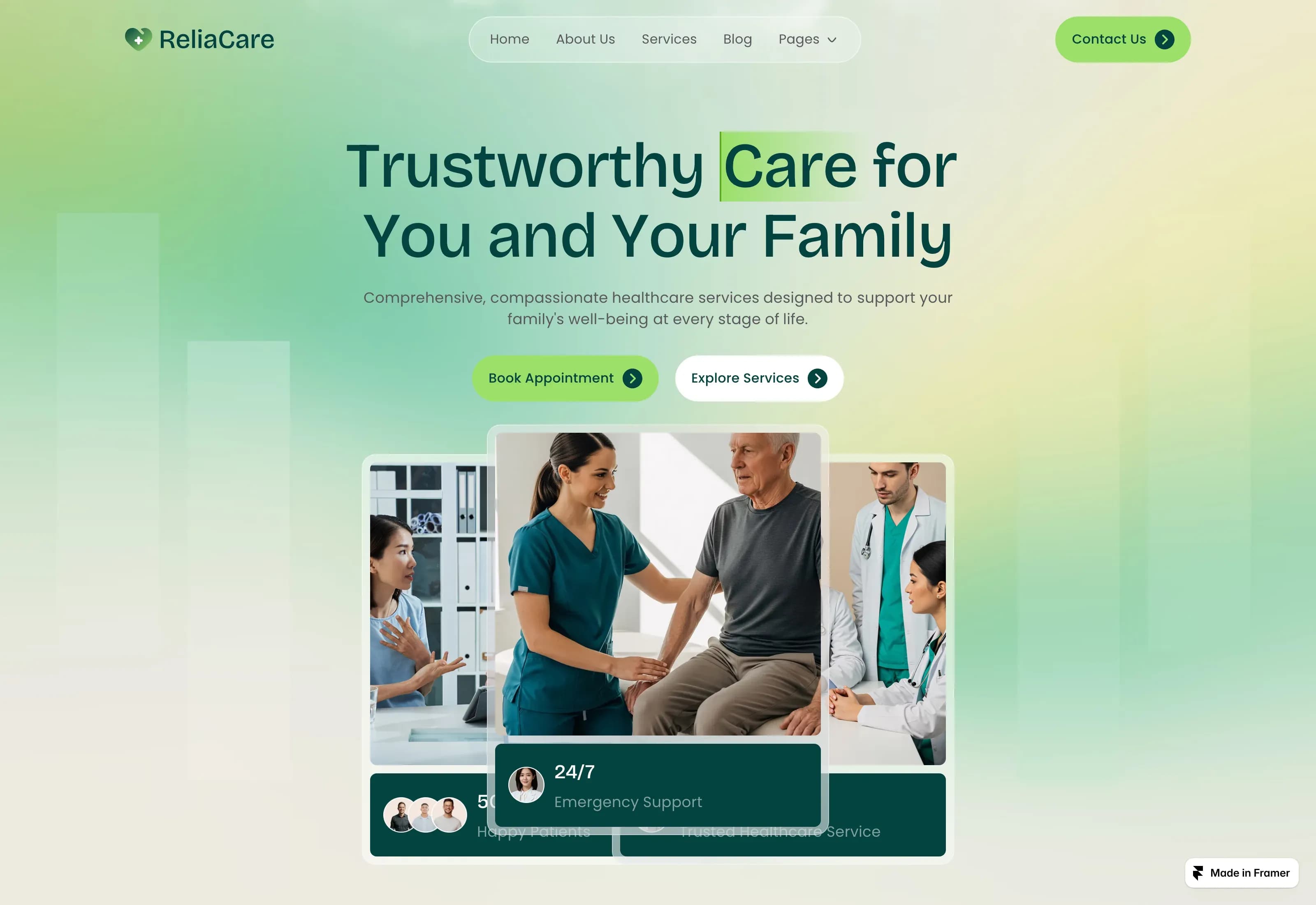
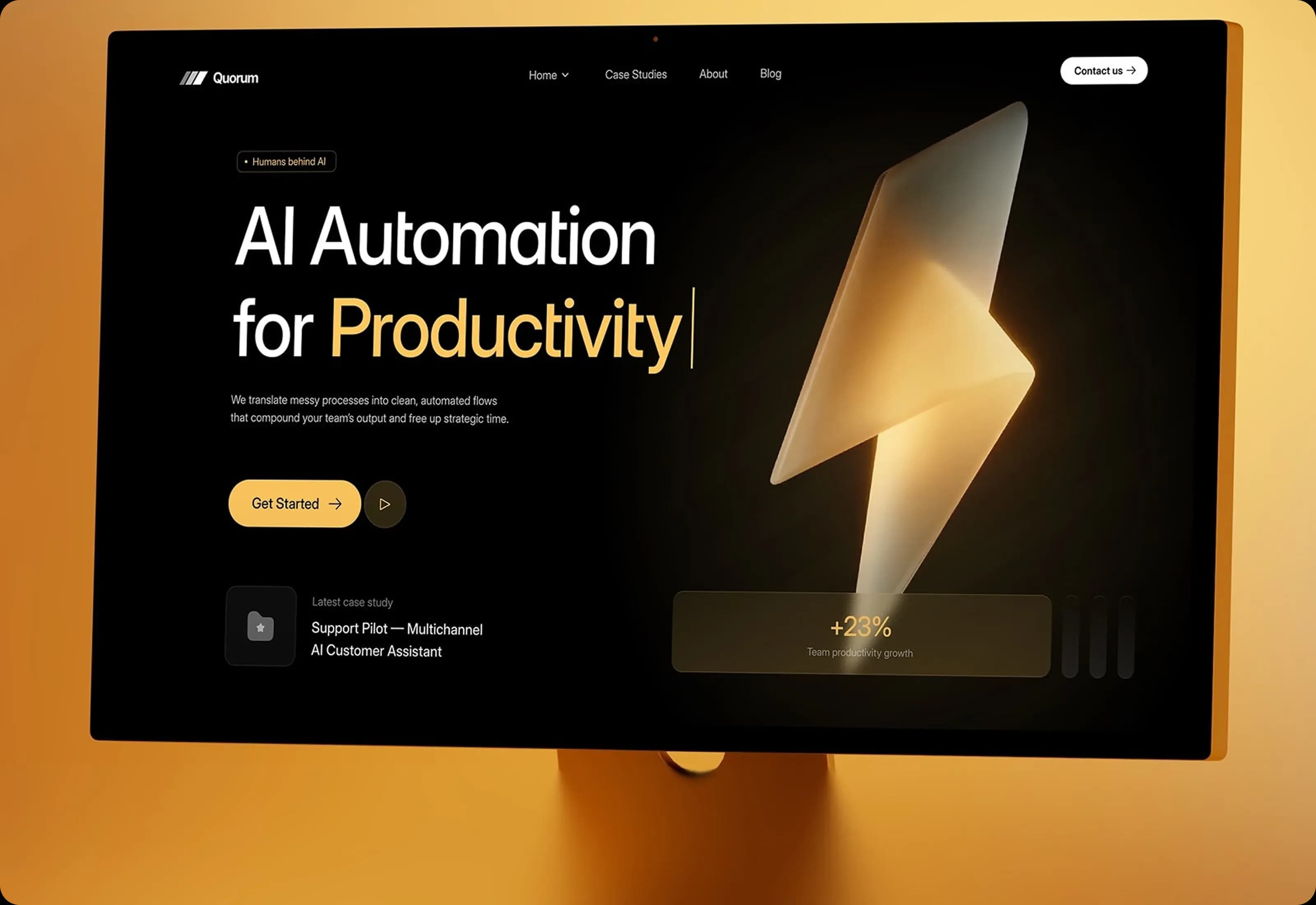
Buyers want to see the interface before they book time with sales. Use real screenshots, short product videos or an interactive tour of the core workflow. Abstract 3D shapes and gradients look modern, but they don't help anyone judge whether the product fits their process.
Label each screenshot with what it shows and why it matters. An unlabelled dashboard is decoration.
Rule 3: Publish pricing, or the pricing model
Pricing is one of the first things researchers look for, and hiding it forces them either to contact sales early or to drop you. If you can publish plans, do. If deals are custom, publish the structure: what the price is based on (seats, usage, modules), typical ranges by company size, and what's included in every plan.
Present it as a table, so buyers and the tools summarising your site can compare it against other vendors.
Rule 4: Put security and compliance where buyers can find them
Security review is a gate in most B2B purchases. A trust or security page should list certifications and audit reports you hold, where data is stored, how access is controlled, and how customers can request documentation. Link it from the footer of every page and from the pricing page.
Only list what you can show. A compliance badge without a report behind it creates a problem in procurement that no design can fix.
Rule 5: Be precise about AI features
AI is now part of almost every purchase: 89% included AI features in the 6sense data, and 58% of buyers contacted sellers earlier specifically to clarify missing AI details. Vague AI messaging costs you either an early, unprepared sales call or a place on the shortlist.
For each AI feature, state what it does, what data it uses, whether customer data trains models, and what controls admins have. A short, factual AI page answers questions that otherwise stall a deal in security review.
Rule 6: Make integrations searchable
B2B software lives inside a stack. An integrations directory with a search box, one page per major integration, and an honest note on what each integration syncs lets buyers confirm fit without a call. It also creates pages that match searches like “[your category] + [their tool]”.
Rule 7: Use named proof, with numbers
Case studies work when a buyer can see themselves in them. Name the customer, their industry and size, the problem, and a measured result. An anonymous quote from “a leading enterprise” can't be checked, so it doesn't count as evidence.
Structure every case study the same way, so buyers comparing three can scan them in seconds.
Rule 8: Keep documentation public
Technical evaluators may read the docs before anyone else in the buying group sees the marketing site. Public documentation, an API reference and a changelog show how mature the product is. Gating them behind a login removes one of the strongest trust signals a tech company has.
Rule 9: Write so machines can summarise you correctly
Because buyers use AI tools to research vendors, your pages are also source material for those tools. Help them get it right:
- Plain text over images: put pricing, specs and feature lists in HTML, not in screenshots
- Tables for comparisons: plans, limits and features in structured tables
- One topic per page: separate pages for pricing, security, each integration and each use case
- Dates on changing facts: “Pricing as of September 2026” tells readers and tools how current it is
A realistic build order
If you're rebuilding, start where the shortlist forms:
- Homepage with a category-and-outcome headline and real product visuals
- Pricing page, or a published pricing model
- Security and trust page
- Three detailed case studies
- Integrations directory
- Use-case pages, one per buyer problem
- Public documentation and changelog
Typography matters more than it looks on a product site: our guide to fonts for SaaS websites covers it. For a starting structure, Axionet and our other technology templates include pricing, feature and integration pages. If you're building from scratch, how to build a SaaS website walks through the process.
Frequently asked questions
What makes a good tech company website? It lets a buyer research alone: clear category and outcome on the homepage, real product visuals, published pricing or a pricing model, a security page and named case studies.
Should B2B tech companies show pricing on their website? Show plans if you can, and the pricing model if deals are custom. Buyers rank vendors before first contact, and hiding pricing forces them to guess or move on.
How do B2B buyers research vendors in 2026? Mostly on their own: 94% of buying groups ranked preferred vendors before first contact, and 94% of buyers used LLMs to summarise reviews or analyse data (6sense, 2025).
How should a tech company describe its AI features? Specifically: what each feature does, what data it uses, whether customer data trains models, and what admins can control. 58% of buyers contacted sellers earlier to clarify missing AI details.
Last updated: 13 September 2026.
Sources: 6sense, 2025 B2B Buyer Experience Report (4,000+ buyers), press release, 12 November 2025, accessed 13 September 2026